
Tools you can use

Finding what supports your well-being with ADHD
Distraction, losing track of time, and struggling to begin a task can happen to anyone. For people with ADHD, these difficulties can be more persistent and pronounced, sometimes leaving a person feeling paralysed by competing distractions, time pressure, or the task itself. They may know what needs to be done and want to do it, yet find themselves unable to get started or work out where to focus. Understanding ADHD.


Finding tools and approaches that suit the person can ease some of that pressure. A useful strategy may make a task feel more approachable, provide a clearer starting point, or bring some relief to an otherwise overwhelming day.
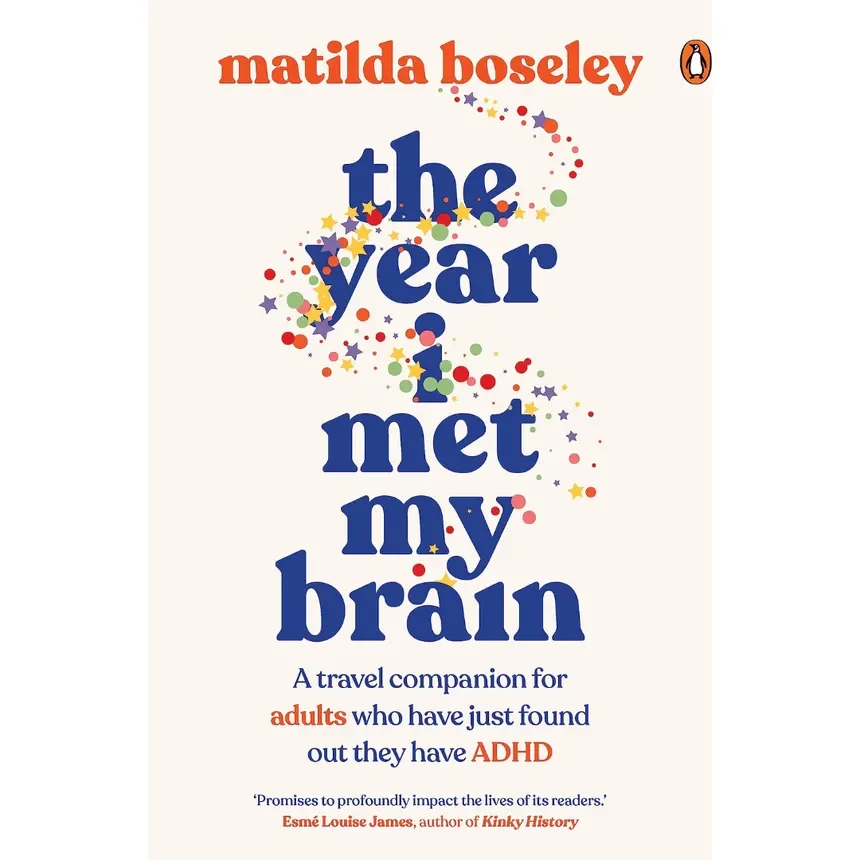
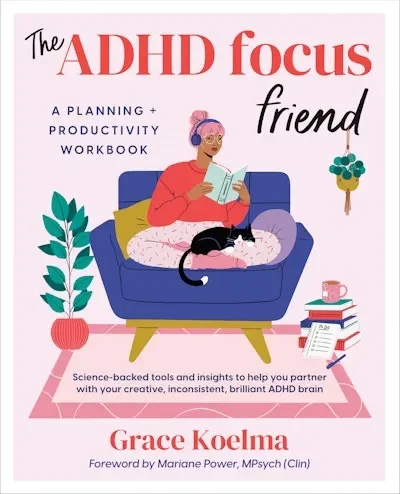
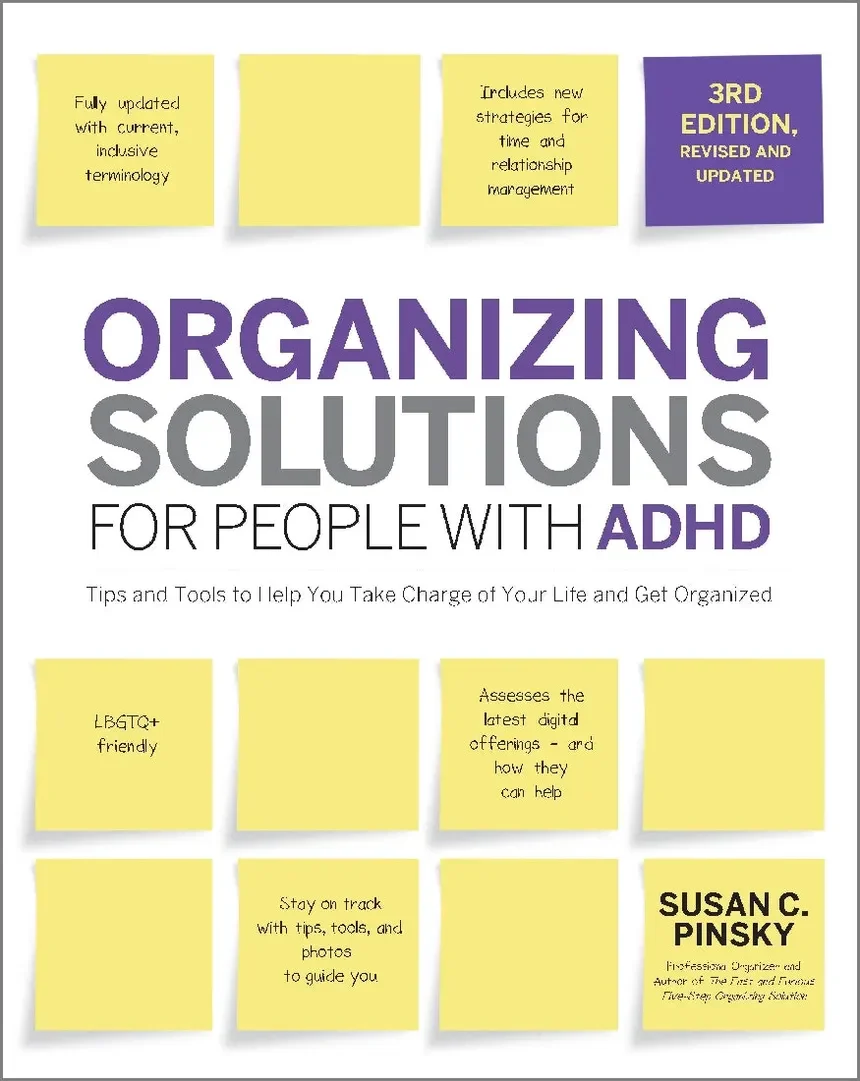
Books can offer both understanding and practical ideas. The Year I Met My Brain by Matilda Boseley explores her experience of adult ADHD. The ADHD Focus Friend by Grace Koelma offers planning exercises, while Organizing Solutions for People with ADHD by Susan C. Pinsky suggests ways to make everyday organisation easier.
Decoding Doing by Jonathan Hassall and Madeline O’Reilly looks at procrastination in ADHD. ADHD 2.0 by Edward M. Hallowell and John J. Ratey explores understanding and managing ADHD across daily life. Sometimes one explanation helps something make sense, or one suggestion gives you something worth trying.
Apps offer other solutions. Breethe provides guided meditations and sleep audio, while Calm includes breathing exercises, meditation, and sleep stories. Elevate offers vocabulary, maths, and memory games for those who enjoy short mental activities. There is no need to use every feature for a resource to be worthwhile.
Alongside these tools are the habits and activities that support everyday well-being. A planning exercise might lead to a reminder somewhere visible or a smaller first step for an overwhelming task. Trying an idea in your own circumstances helps you discover whether it makes things easier, with room to adjust it along the way.
Hobbies, exercise, food, and rest also have a place. Going to the gym or taking a brisk walk may become something enjoyable to return to. Having a few easy, nourishing meals available can make eating well less complicated. These support general well-being alongside any ADHD treatment you receive. Food and mental health, exercise and mental health.
Some people find gentle breathing exercises helpful when they feel tense. Others appreciate spending time in nature or taking a break from busy surroundings. What you watch, read, and listen to matters too. Entertainment can offer enjoyment, while reliable information about ADHD may help you understand your experiences. You may gradually notice what leaves you feeling more settled. Breathing exercises, nature and well-being.
Connecting with other people who have ADHD can also feel reassuring. There can be comfort in talking with someone who recognises a familiar struggle. Sharing experiences may offer another perspective and remind you that you are not alone.
If you see a health professional, trying something between appointments gives you both more to work with. Talking about what helped, what was difficult, and what you noticed helps your practitioner understand your needs and adjust their guidance. An approach that proved difficult to use is worth discussing too.
Tools and everyday activities can be stepping stones towards greater well-being. You may only pick up one or two useful ideas along the way, but those discoveries can offer relief and give you more fall back on when a day feels difficult.

Choose an appointment that’s right for you. Click Here